

Mastering Emotional Storytelling in Photography

Photography is so much more than just capturing a moment. It’s about weaving a story that resonates deeply, stirring emotions and memories that last a lifetime. When I first dove into the world of emotional storytelling in photography, I realized it’s an art that requires heart, patience, and a keen eye for the subtle details that speak volumes. Today, I want to share with you how to master this beautiful craft, so your portraits don’t just show what people look like but reveal who they truly are.
The Power of Emotional Storytelling in Photography
Emotional storytelling in photography is the secret ingredient that transforms a simple image into a timeless narrative. It’s about capturing the essence of a moment - the laughter, the quiet reflection, the unspoken bond between loved ones. When you focus on emotions, your photos become more than just pictures; they become windows into the soul.
To truly master this, start by connecting with your subject. Whether it’s a family, a couple, or an individual, take the time to understand their story. Ask questions, listen carefully, and observe the little things - a nervous smile, a gentle touch, or a fleeting glance. These moments are gold.
Lighting plays a crucial role here. Soft, natural light often enhances the warmth and intimacy of a scene. Try shooting during the golden hour - that magical time just after sunrise or before sunset - when the light wraps around your subjects like a gentle hug. This kind of lighting naturally evokes emotion and adds depth to your images.

Techniques to Capture Genuine Emotion
Capturing genuine emotion is both an art and a science. Here are some practical tips that have helped me create portraits bursting with feeling:
Create a Comfortable Environment: People open up when they feel safe and relaxed. Chat with your subjects, share a laugh, and encourage them to be themselves. The more at ease they are, the more authentic their emotions will shine through.
Use Candid Moments: Sometimes the best emotions happen when people aren’t posing. Keep your camera ready and be patient. Capture those spontaneous smiles, tears, or thoughtful expressions that reveal true feelings.
Focus on Eyes and Expressions: The eyes are often called the windows to the soul for a reason. Zoom in on the eyes or capture subtle expressions that tell a story without words.
Incorporate Movement: Movement can add life and emotion to your photos. Whether it’s a child running, a couple dancing, or a parent lifting their baby, these dynamic moments convey joy and connection.
Tell a Story Through Composition: Use framing, angles, and background elements to support the emotional tone. For example, a wide shot of a family in a cozy living room can evoke warmth and togetherness, while a close-up of a single tear can speak volumes about vulnerability.
Crafting Stories That Resonate
Every photograph should tell a story that resonates with both the subject and the viewer. To do this, I like to think of each session as a narrative unfolding in chapters. Here’s how you can approach it:
Set the Scene: Choose locations that have meaning or add context to the story. A family’s backyard, a favorite park, or a cozy home corner can all enrich the narrative.
Capture the Details: Sometimes, the smallest details tell the biggest stories. A child’s tiny hand clutching a parent’s finger, a worn-out pair of shoes, or a cherished heirloom can add layers of meaning.
Highlight Relationships: Focus on the connections between people. The way a couple looks at each other, siblings sharing a secret, or a parent’s protective embrace can communicate love and trust.
Use Color and Tone: Colors evoke emotions. Warm tones can create feelings of comfort and happiness, while cooler tones might suggest calm or introspection. Adjust your editing style to enhance the mood you want to convey.
Invite Participation: Encourage your subjects to share stories or memories during the shoot. Their words and emotions will naturally translate into more heartfelt images.

The Role of Authenticity in Emotional Storytelling
Authenticity is the heartbeat of emotional storytelling in photography. It’s what makes your portraits timeless and deeply personal. I always strive to capture people as they truly are - not just their best poses or smiles, but their quirks, their laughter, and even their moments of vulnerability.
This is why I admire photographers like kathleen elizabeth photography lewisville, who specialize in creating authentic portraits that reflect real emotions and genuine connections. Their work reminds me that the most powerful stories come from honesty and openness.
To foster authenticity in your sessions:
Avoid overly staged poses. Instead, guide your subjects gently and let them move naturally.
Be patient. Sometimes it takes time for people to relax and reveal their true selves.
Celebrate imperfections. Those little flaws and candid moments often make the best stories.
Listen actively. Respond to your subjects’ emotions and adapt your approach accordingly.
Bringing It All Together: Your Emotional Storytelling Journey
Mastering emotional storytelling in photography is a journey filled with discovery and growth. It’s about more than just technical skills - it’s about empathy, connection, and a genuine desire to capture life’s most cherished moments.
Here are some final tips to keep in mind as you continue to develop your craft:
Practice Regularly: The more you shoot with emotion in mind, the more natural it will become.
Study Great Storytellers: Look at the work of photographers who inspire you and analyze how they use light, composition, and timing.
Experiment with Different Subjects: Families, couples, and individuals all offer unique stories. Embrace the diversity.
Reflect on Your Work: After each session, review your images and think about what emotions you captured and what you could improve.
Stay Passionate: Let your love for storytelling shine through every click of the shutter.
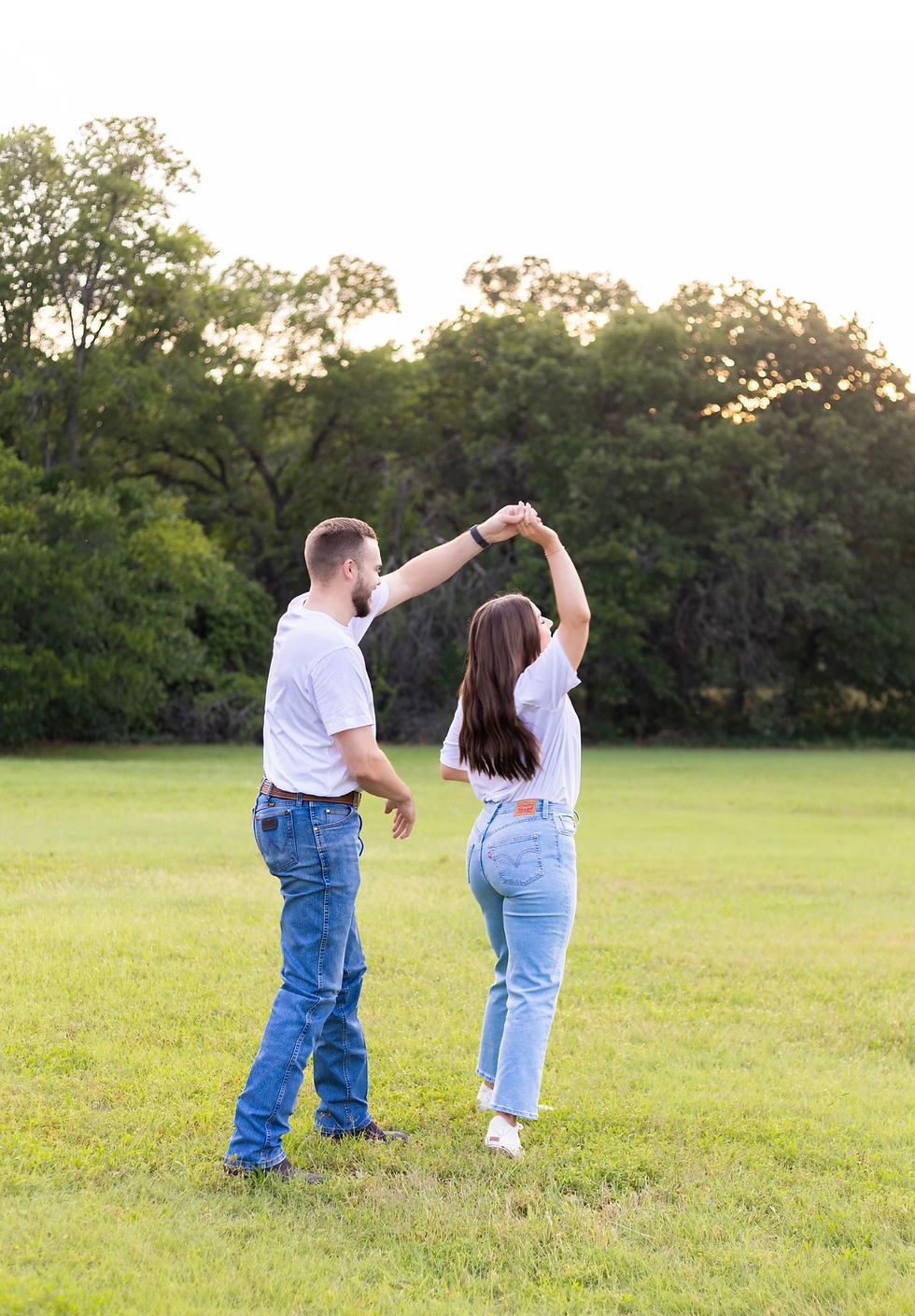
Emotional storytelling in photography is a gift you give to your subjects and to yourself. It’s a way to freeze moments that matter, to celebrate the beauty of human connection, and to create portraits that speak from the heart. So grab your camera, open your heart, and start telling stories that will be treasured forever.


Comments